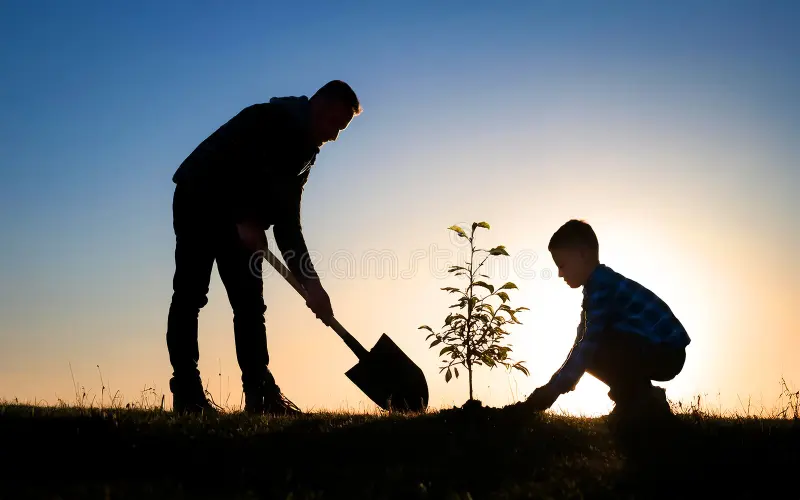
Family owned mini-forests and community restoration
Project Overview
Fidelitas’ approach to reforestation and afforestation is anchored in restoring ecosystems from the household outward, through family-based mini forests and community foresting. At family level, Fidelitas supports households to establish dense, mixed-species mini forests on small plots, integrating fruit, timber, fodder, and indigenous trees to enhance biodiversity, soil health, and microclimates while generating nutrition and income. Families are engaged from design to maintenance, building stewardship and intergenerational knowledge of sustainable land use. At community level, Fidelitas facilitates participatory mapping and planning to identify degraded communal lands, riverbanks, schools, and faith institutions suitable for collective forest restoration. Communities co-create planting plans, governance structures, and benefit-sharing mechanisms, ensuring that restored forests are protected, equitably managed, and socially valued. Continuous mentoring, simple monitoring tools, and linkages to local markets and institutions help sustain the model. By combining household mini forests with shared community forests, Fidelitas creates a scalable, socially rooted pathway for climate resilience, biodiversity recovery, and improved livelihoods.
Related Focus Areas
Project Details
Status
Planning
Location
Napak (Karamoja) and Kapelebyong (Teso)
Duration
February 2026 - February 2028
Budget
540,000.00
Featured Project
Related Projects
Explore more projects in similar focus areas
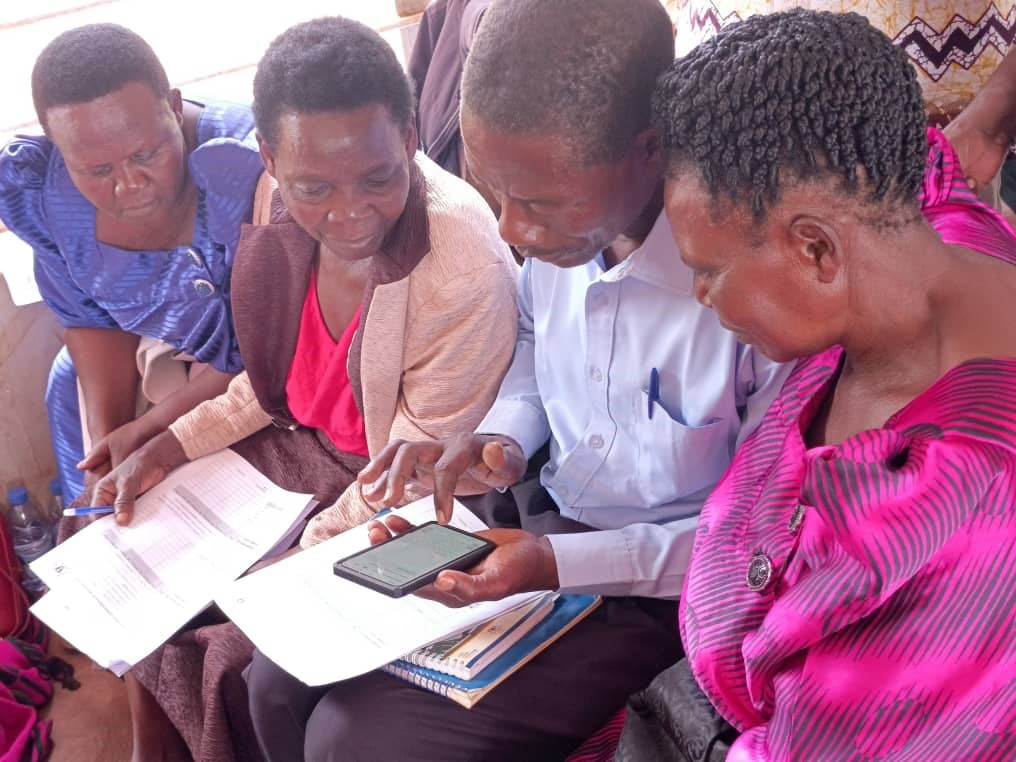
Community-led digital surveillance and prevention of violence
National
Budget: $18,500
Jul 2025 - Dec 2025
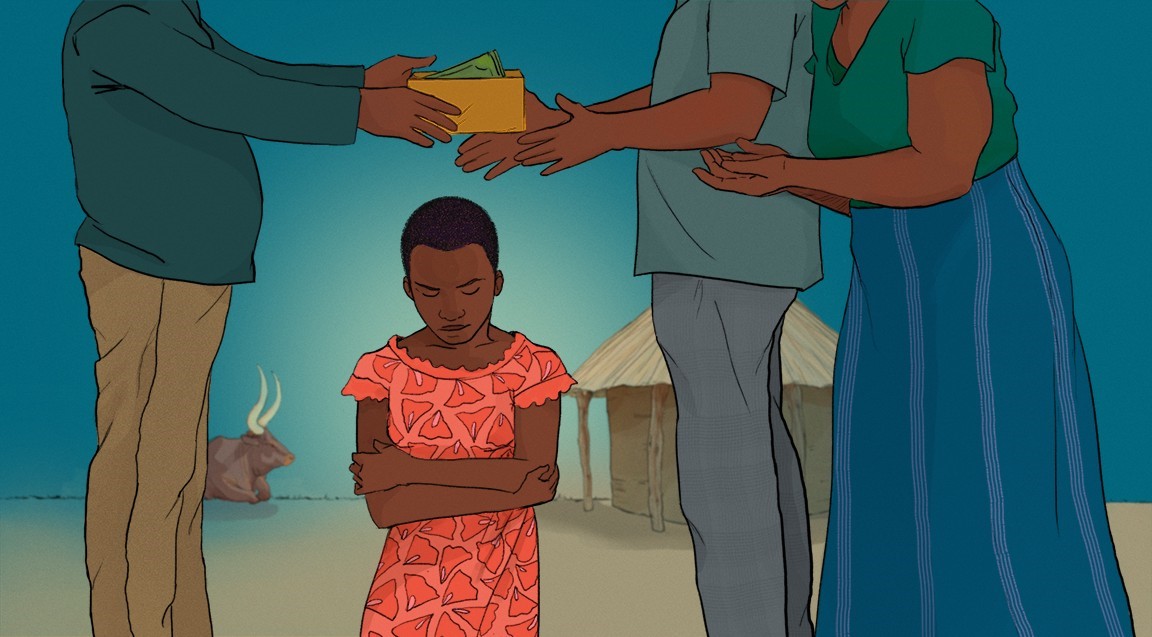
Gender-Based Violence Prevention
Amuria and Buikwe
Budget: $15,000
Dec 2025 - May 2026
Scaling and Spreading Social-Normative Parenting Outcomes
Kabarole, Kyenjojo and Bunyangabu Districts
Budget: $7,000
Jul 2025 - Oct 2025